Leave Your Message
0%

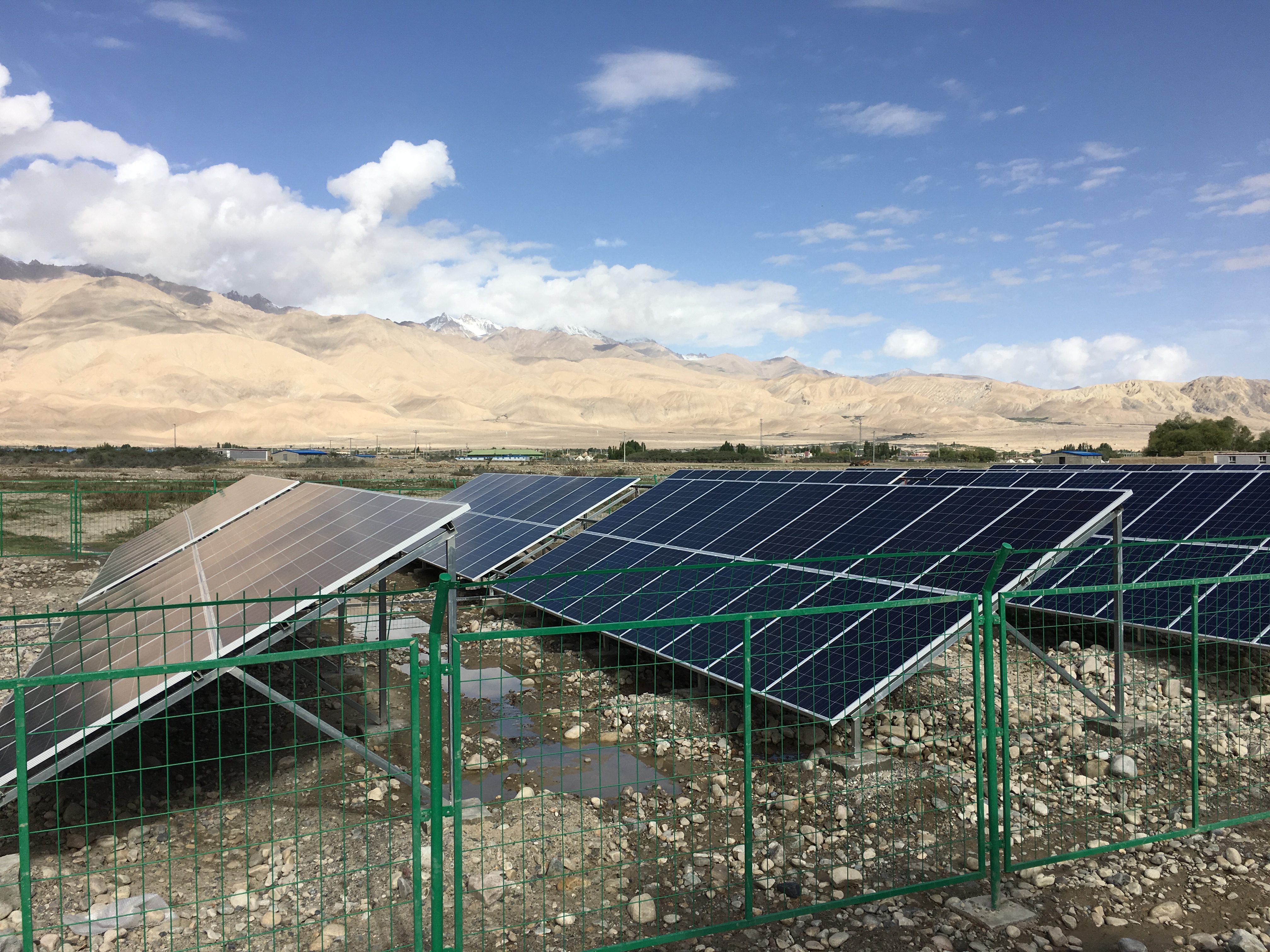
You know, over the past decade, the demand for smarter and more efficient renewable energy solutions has really taken off. I mean, according to a recent report from Fortune Business Insights, the global solar PV market is projected to hit around $223 billion by 2026. Pretty impressive, right? As more folks and industries turn to solar PV systems, it's become super important to optimize Pv Pump Inverters to get the most out of energy savings and keep things running smoothly.
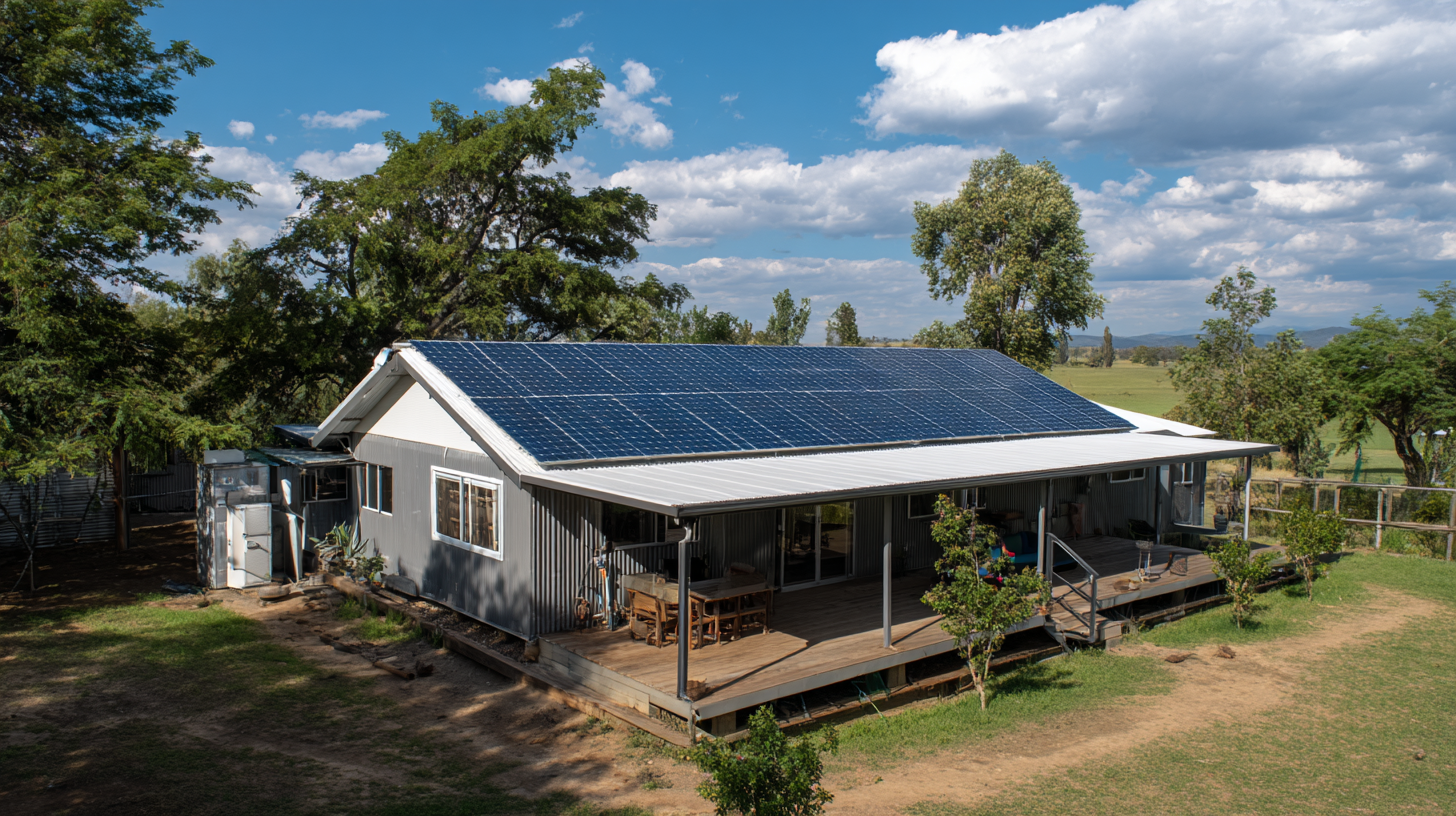
How to Optimize Your Solar PV Pump Inverter for Maximum Efficiency and Savings

Bangzhao Electric Co., Ltd. has actually been leading the charge in this space for over 10 years—focusing on innovative lithium battery storage and advanced inverter tech. Improving PV pump inverters doesn't just boost the performance of solar-powered irrigation or industrial setups; it also helps slash energy costs quite a bit. By using the latest tech and custom solutions, businesses can really get a handle on their energy management. This means better sustainability for agriculture and industry alike, all while tapping into the full potential of solar energy—that's the goal, right?

Understanding Solar PV Pump Inverters: Key Components and Functionality

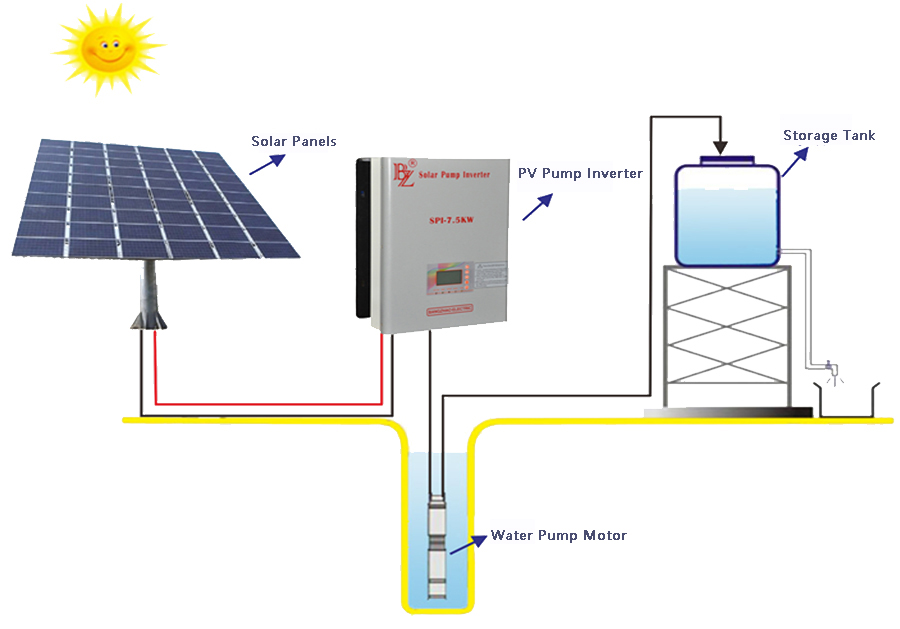
So, when you're trying to get the most out of your solar PV pump inverters — you know, to maximize efficiency and save some cash — understanding the key parts and how they work is pretty important. These inverters play a crucial role because they take the DC power from your solar panels and turn it into AC power, which then runs the water pumps used in farming. I was reading this recent report from IRENA, and it mentioned that a good, efficient inverter can boost your system’s overall performance by up to 20%. Crazy, right? So, it's really worth investing in high-quality inverters that use the latest tech if you're serious about getting the most out of your setup.

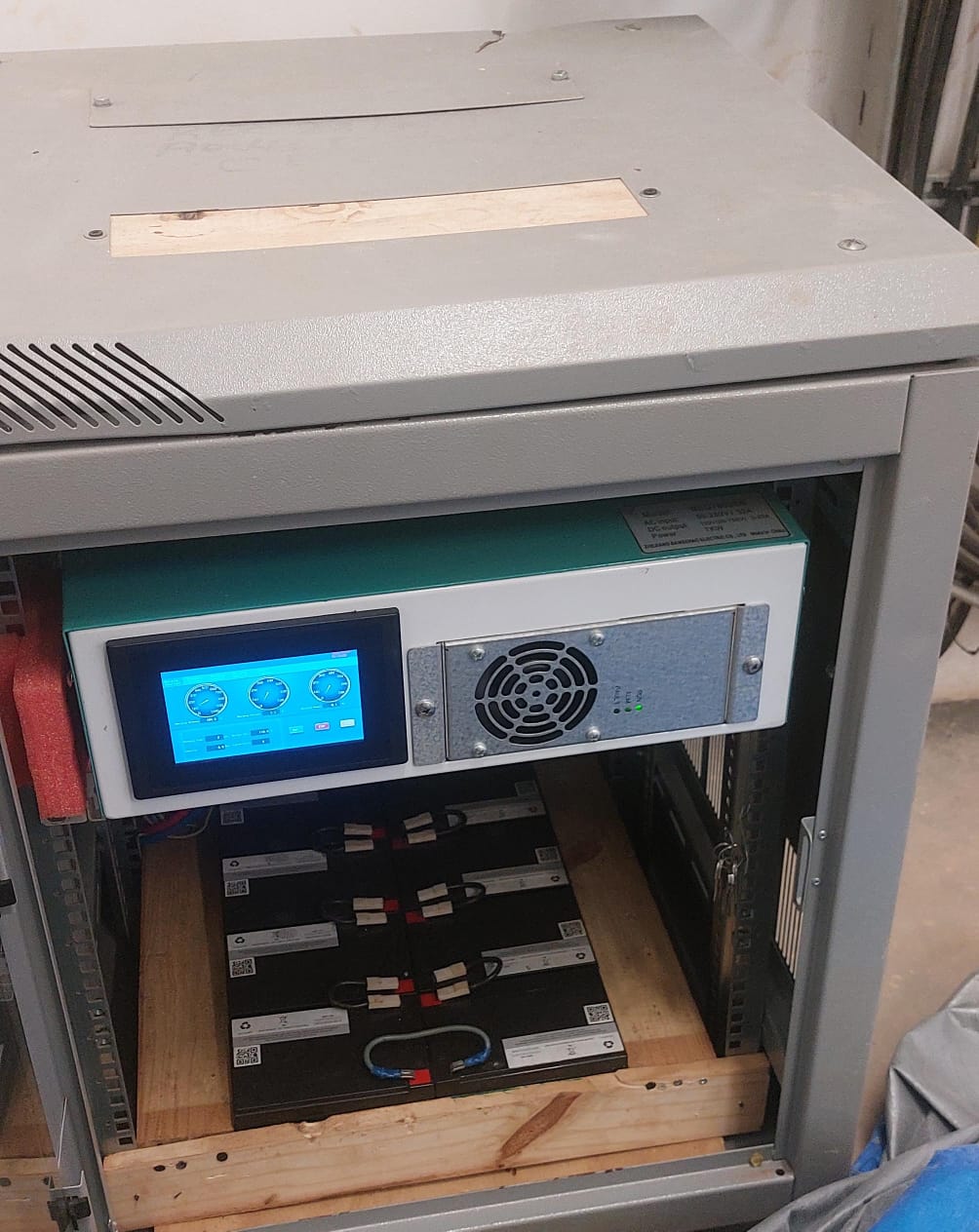
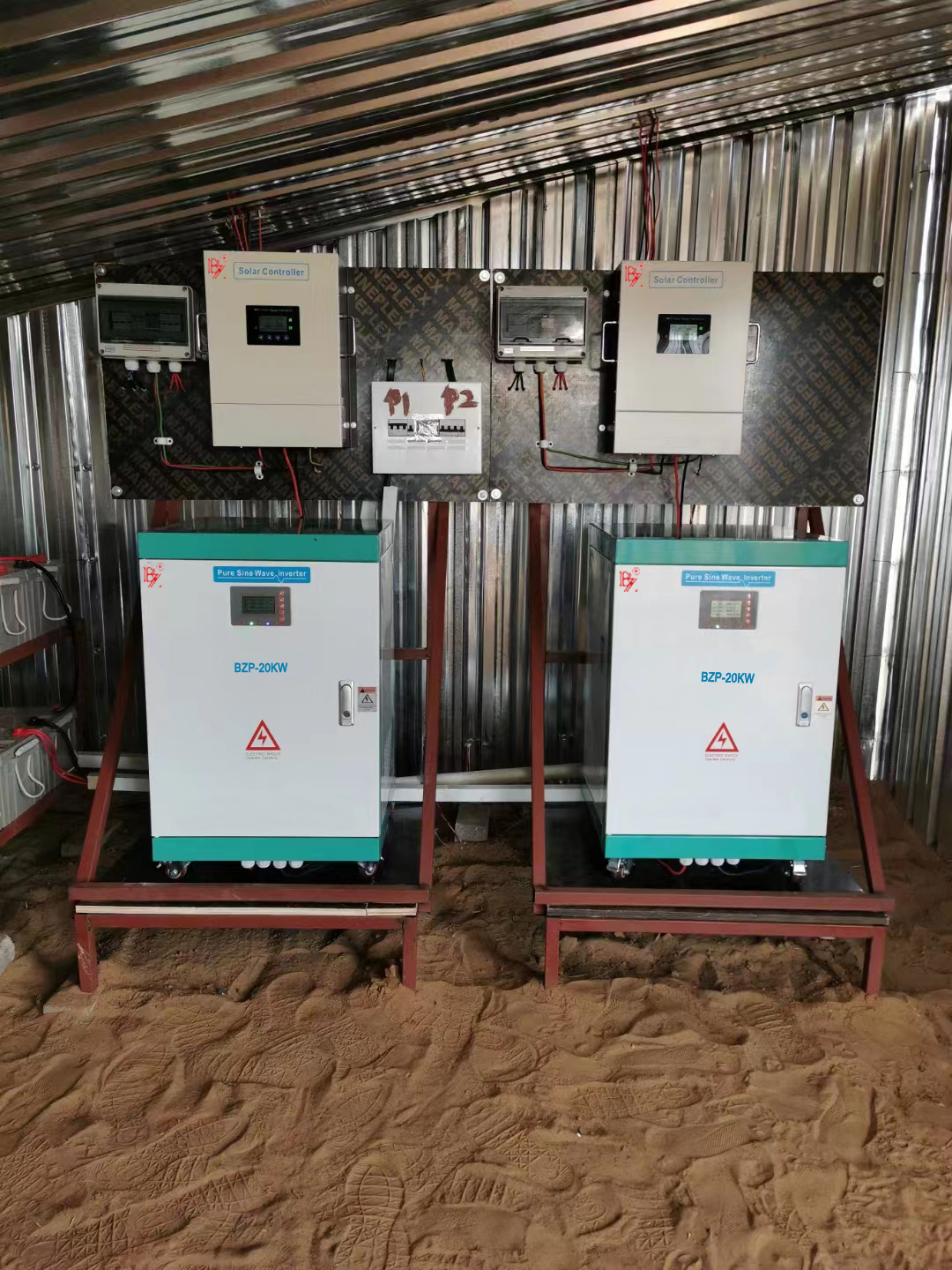
Now, speaking of the main components — one of the most important is the MPPT, or Maximum Power Point Tracking. This little guy keeps things running at peak levels by adjusting the load depending on how much sunlight you’ve got at any given moment. Plus, features like thermal management systems are super helpful—they keep everything from overheating, which helps your inverter run smoother and last longer. Companies like Bangzhao Electric Co., Ltd. are pretty reputable—they offer top-notch solutions with Pure Sine Wave Inverters that not only work better but also help your equipment last longer.

In the end, choosing reliable, high-quality parts might cost a bit upfront, but it can really pay off by cutting down your energy costs and making your farming operation more sustainable. Trust me, it's totally worth it in the long run!

How to Optimize Your Solar PV Pump Inverter for Maximum Efficiency and Savings

Component Description Efficiency Impact (%) Maintenance Tips
Solar Panel Converts sunlight into electricity 15-20% Clean regularly to remove dust and debris
Inverter Converts DC to AC power 90-95% Check connections and cooling fans
Pump Moves water using energy from the inverter 60-75% Regularly check for leaks and wear
Battery (optional) Stores energy for later use 80-90% Monitor charge levels and replace as necessary
Controller Manages the operation of the system 5-10% Keep software updated and calibrate periodically

Factors Influencing Inverter Efficiency: Temperature, Loading, and System Design

When you're working on optimizing your solar PV pump inverter, there are a few key things you really want to keep in mind—things like temperature, load, and how everything's set up overall. For starters, temperature is a big deal; inverters tend to lose some efficiency when they get too hot. So, making sure there’s good ventilation is crucial, and it might be worth investing in some heat dissipation methods to keep things cool. If your setup is well-ventilated, it’ll help prevent overheating and keep your inverter running smoothly and reliably.

Load is another important point. Inverters tend to perform best when they're operating at about 70-90% of their maximum capacity. Basically, you want to match your pumping needs to what the inverter can handle comfortably. It’s a good idea to monitor the load regularly and make adjustments if needed. Also, installing a variable speed drive can really make a difference, as it allows the system to adapt seamlessly to different demands without fuss.

And don’t forget about the overall system design. Picking compatible, high-quality components is key. For example, choosing solar panels that deliver good performance under various weather conditions can really boost your system’s efficiency. Plus, good wiring and solid connections help cut down on energy loss, giving you that extra bit of performance and savings. By paying attention to these things, you’ll get the best out of your solar PV pump inverter, both in efficiency and cost savings.

63053516102277840.jpg

Advanced Techniques to Enhance Performance: Software and Hardware Innovations

When you're looking to get the most out of your solar PV pump inverter, using modern hardware and software tricks can really boost its performance. One cool way to do this is by adding smart monitoring systems. These not only give you real-time info on how much energy you're producing and using, but they can also help predict future issues. By catching potential problems early and understanding trends, you can keep your system running smoothly and efficiently.

Another thing that makes a big difference is using adaptive control algorithms. Unlike the old-school fixed controls, these smart algorithms tweak how the system operates based on what's happening outside — like changes in sunlight or how much your pump needs. This means you’re squeezing out more energy and also helping your inverter last longer, which saves you money in the long run.

Quick tip: Make sure to regularly update your inverter’s firmware. That way, you’ll benefit from the latest improvements and fixes. Also, investing in better components, like MPPT (Maximum Power Point Tracking) controllers, can really help boost how much energy your solar panels gather, making everything even more efficient.

Cost-Benefit Analysis: Evaluating Savings from Optimized Inverter Use

Thinking about installing a solar PV pump inverter? Honestly, doing a full cost-benefit analysis is a smart move. It helps you get a clear picture of what you’re really spending versus what you stand to save in the long run. By checking out both the upfront costs and the ongoing expenses, you can figure out whether it’s worth it and how your investment will pay off over time. When you optimize your inverter properly, it doesn’t just cut down on energy use—it can actually save you a good chunk of money in the long run. Plus, a high-quality inverter can boost your system’s performance, which means lower electricity bills and a more efficient pump overall.

And when you’re looking at potential savings, it’s really about comparing how much energy you can generate with different inverter settings. Things like sunlight, water demand, and how your whole system is set up all play a role in the results. If you tweak the settings smartly and pick the right inverter, you can get the most out of your equipment, harvest more energy, and reduce your dependence on grid power. All of this adds up to not just saving money but also making the most of a green energy source, making your initial investment totally worth it.

Maintenance Best Practices for Sustained Efficiency in Solar PV Systems

If you want your solar PV pump system to keep working smoothly, regular maintenance is key—trust me, it pays off! One thing you definitely shouldn’t skip is giving the solar panels a good clean every now and then. Dust, dirt, and gunk can pile up on the surface, blocking sunlight and messing with the energy output. Depending on where you live, doing a thorough clean every few months usually does the trick. Just grab a soft sponge or brush, and some mild soapy water—no need to go hardcore—and gently wipe away the grime. It’s simple but makes a big difference.

Also, don’t forget to check on your inverter and other electrical parts now and then. Look out for any signs of wear—loose wires, corrosion, or anything that looks out of place. Keeping the inverter cool and making sure it’s not overheating is super important too—that’s what keeps everything running smoothly. If there’s a way to update its firmware, I’d suggest doing that as well, since it can help improve performance and efficiency over time. By sticking to these simple maintenance tips, you’ll get the most out of your solar system, save some cash, and contribute to a greener planet—all at the same time!

Exploring Alternatives to Traditional Inverters: Emerging Technologies and Trends

You know, as more folks are switching over to renewable energy sources, there's been a real buzz around new innovations in solar PV pump inverters. Companies are now exploring options that not only boost efficiency but also save some cash. One cool emerging tech is the Bidirectional Inverter System—basically, it allows your energy system to store power when there's plenty and discharge it when needed, helping you manage your energy usage so much better. According to a recent report from MarketsandMarkets, the global inverter market is expected to almost double—from around $10.5 billion in 2021 to about $23.2 billion by 2026. That just shows how big the demand is for smarter, more efficient inverter tech that can really amp up solar system performance.

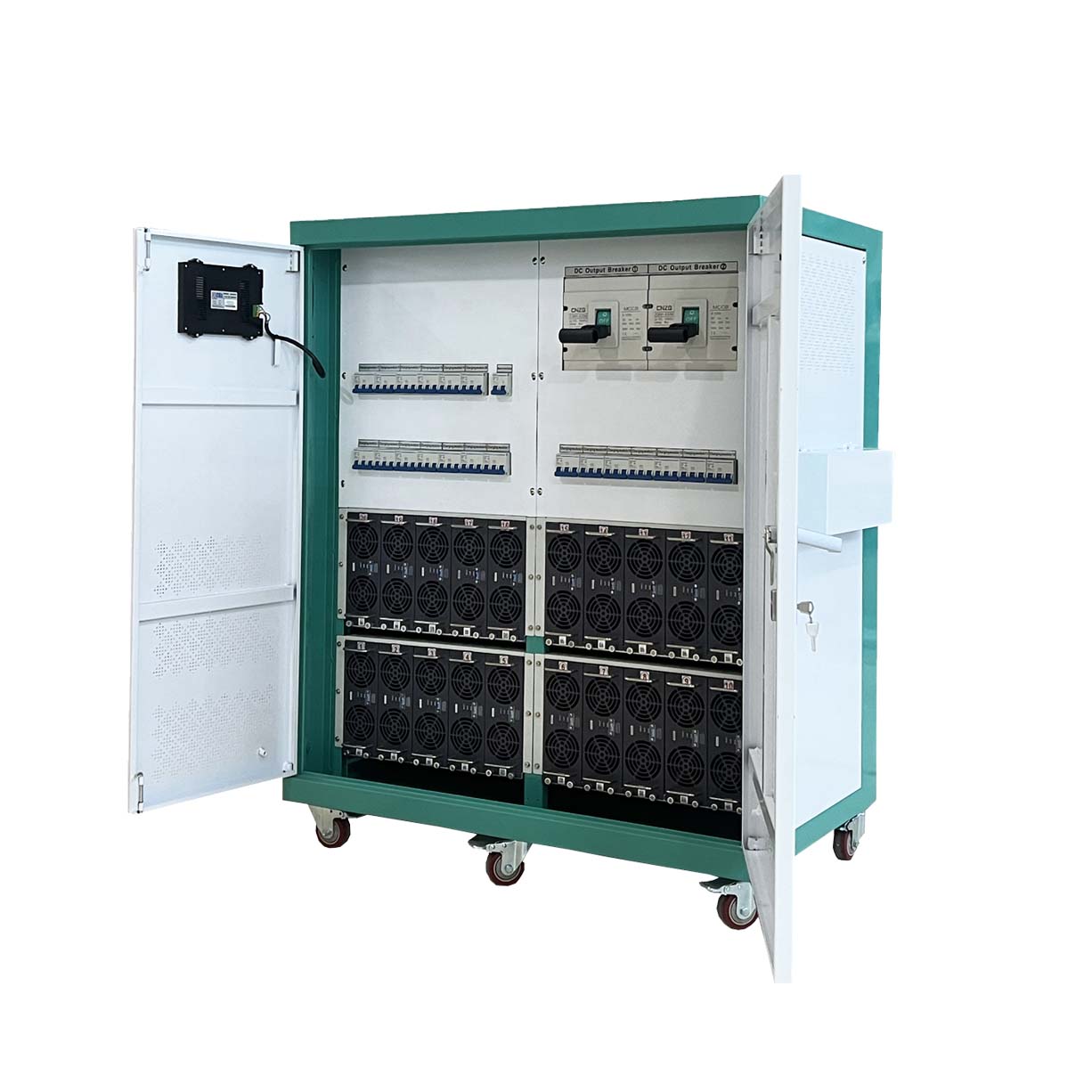
Here at Bangzhao Electric Co., Ltd., we’re proud to be leading the way with top-notch solutions for energy storage and conversion. Our lithium battery storage setups and pure sine wave inverters are built to be reliable and work hand-in-hand with modern solar PV systems. The International Energy Agency even points out that improving inverter efficiency can bump up your solar energy output by as much as 20%. That’s huge—it really highlights how important it is to stay ahead with cutting-edge inverter tech to get the best bang for your buck on solar projects. We’re all about helping our customers squeeze every bit of value out of their solar investments with solutions that are tuned to their needs

微信图片_20190416130443.jpg

Unlocking Power on the Go: The Benefits of High Power Vehicle Inverters for Your Adventures

In today’s fast-paced world, adventurers are constantly seeking reliable power solutions for their journeys. The demand for high power vehicle inverters has skyrocketed, particularly for those utilizing new energy vehicles or specialized units designed for extraordinary conditions. Unlocking power on the go is no longer a luxury; it’s a necessity that empowers us to undertake various activities, whether it’s camping in remote areas or operating heavy-duty tools far from traditional power sources.

The high power vehicle inverter, specifically the isolation type, stands out as an excellent choice for those needing substantial energy conversion. Designed to accommodate a wide voltage range of 400V to 800V, this innovative technology transforms high voltage DC power into stable 380V/220V AC power. With capabilities spanning from 30KW to 100KW, it efficiently supports high-load equipment such as power tools, medical devices, and various camping utilities. As you embark on your adventures, this inverter ensures that all your essential devices remain operational, fostering seamless experiences whether you're setting up camp or facing unexpected emergencies.

With its robust performance and adaptability, the high power vehicle inverter forms an indispensable component of any adventurous setup. By leveraging industrial frequency isolation technology, it guarantees not just power, but also safety and reliability, enabling you to focus on what truly matters—your adventures. Embrace the outdoors with confidence, knowing that your power needs are met efficiently and effectively.

FAQS

: Why is regular maintenance important for solar PV systems?

: Regular maintenance is crucial for solar PV systems to ensure sustained efficiency, maximize performance, and ultimately lead to greater savings and a more sustainable energy solution.

How often should solar panels be cleaned?

It is recommended to clean solar panels every few months, depending on your location, to remove dust, dirt, and debris that can block sunlight and reduce energy output.

What is the best method for cleaning solar panels?

Using a sponge or soft brush with mild soapy water is an effective method for cleaning solar panels without damaging their surfaces.

What components should be inspected regularly in a solar PV system?

Regular inspections should include the inverter and other electrical components to check for signs of wear or damage, such as loose connections or corroded terminals.

How can the performance of an inverter be maintained?

To maintain inverter performance, ensure it is properly cooled to avoid overheating and update its firmware when applicable to optimize functionality and efficiency.

What are Bidirectional Inverter Systems?

Bidirectional Inverter Systems are emerging technologies that enable energy storage and discharge, allowing for seamless energy management and optimizing power usage based on demand.

What is the projected growth of the inverter market?

The global inverter market is projected to grow from $10.5 billion in 2021 to $23.2 billion by 2026, highlighting the increasing demand for advanced inverter technologies.

How can improving inverter efficiency impact solar energy installations?

Improving inverter efficiency can enhance the overall system output of solar energy installations by up to 20%, maximizing the return on investment for solar projects.

What solutions does Bangzhao Electric Co., Ltd. offer?

Bangzhao Electric Co., Ltd. provides lithium battery storage systems and pure sine wave inverters designed to work efficiently with modern solar PV systems.

Why is it important to adopt emerging inverter technologies?

Adopting emerging inverter technologies is vital as they can maximize the performance and return on investment for solar projects, aligning with the commitment to deliver superior energy solutions.

Conclusion

If you're looking to get the most out of your solar power setup and save some cash along the way, paying attention to your PV pump inverter is a pretty smart move. Getting a good handle on what these inverters do and their main parts is your first step. From there, it’s helpful to understand what affects their efficiency—things like temperature, how much load they’re handling, and how the whole system is designed. There are even some fancy tech tricks, like new software and hardware upgrades, that can really boost performance and make sure you're getting the best bang for your buck.

On top of that, doing a simple cost-benefit check can show you just how much you might save by using your inverter more effectively. Regular maintenance isn’t just a boring chore—it’s actually key to keeping everything running smoothly and efficiently over the long haul. Plus, it’s worth keeping an eye on newer inverter options and emerging tech trends because they might shape the future of energy solutions. Here at Bangzhao Electric Co., Ltd., we’re passionate about providing top-notch inverter systems, especially our state-of-the-art PV pump inverters, so our customers can count on the best in energy storage and management. We’re always striving to help you get the most out of your solar investments!
Amelia

Amelia

Amelia is a dedicated marketing professional with over a decade of experience in the field of energy storage solutions. She is deeply knowledgeable about the company’s core offerings, which include cutting-edge lithium battery storage systems, bi-directional energy storage power supplies, pure sine......
Previous Maximizing Value: Understanding After-Sales Support and Maintenance Costs for the Best Solar Charger Inverter